היום בג'יופן ושפן, מהתחלה ועד הסוף
שני טייוואנים שונים מאוד, במרחק שעה זה מזה
ג'יופן ושיפן אינן אותו סוג של מקום, וזו בדיוק הסיבה שהן בדרך כלל משולבות זו עם זו. ג'יופן היא עיירת כריית זהב הנאחזת במדרון הר מעל החוף, שנבנתה על מרבצי זהב מתקופת שושלת צ'ינג והגיעה לשיאה תחת השלטון הקולוניאלי היפני; כשהמכרות נסגרו ב-1971 היא התרוקנה כמעט לחלוטין, ורק לאחר סרטו של הואו שיאו-שיין מ-1989 "עיר של עצב" — שצולם במקום — זכה באריה הזהב בוונציה, שבו התיירים הטייוואנים אל הגבעה. שיפן היא סיפור אחר: רצועת בתים ובתי תה הדחוסה על מדף צר לאורך מסילת פינגשי, שם, לפי תיאורה של ניו טאיפיי סיטי, השתמשו מתיישבים מפוג'יין בראשית המאה ה-19, שנרדפו על ידי שודדים, בפנסי שמיים כדי לאותת שהם בטוחים.
מה באמת מכסה יום בודד
מדלת לדלת ממרכז טאיפיי, הסיור המודרך מוצג כאורך כשבע שעות, ועמוד ההזמנה מכנה זאת הערכה שתנועה ומזג אוויר יכולים לשנות. זה מספיק זמן כדי ללכת בשני הרחובות העתיקים, לשחרר פנס ולראות את המפל, בלי שהטיול יהפוך ליום של תחבורה בלבד. בכוחות עצמך, שיפן נמצאת על שלוחת פינגשי ואל ג'יופן מגיעים באוטובוס, כי אין לה תחנה משלה.
למה סדר הביקור חשוב
הסיור שאנו מציגים למטה מבקר בשיפן תחילה, באור יום, ושומר את ג'יופן לאחרונה. יש לכך סיבה מעשית: גם המפל וגם שחרור הפנסים מצטלמים טוב יותר ופשוט מרגישים טוב יותר באור יום או בשעת הזהב, בעוד שכל הקסם של ג'יופן הוא זוהר הפנסים על רקע החושך, כך שההגעה עם רדת הדמדומים היא כשהעיירה נראית כמו בתמונות. לעשות זאת בסדר ההפוך — ג'יופן ביום, שיפן בלילה — משאיר אותך נאבק בקהלים באור אחר הצהריים השטוח במקום האחד, ולעמוד בחושך בתחנת רכבת פעילה במקום האחר.
היום במבט אחד
- משך זמן אופייניכ-7 שעות מדלת לדלת, כולל זמן נסיעה ממרכז טאיפיי
- מועד יציאה רגילשעות ההתחלה תלויות בתאריך ובאפשרות שנבחרה, והן מופיעות בלוח ההזמנות; שיפן מגיעה ראשונה וג'יופן נצפית כשהשמיים מחשיכים
- מה כלולמדריך מוסמך, הסעות וביטוח, עם זמן במפל, ברחוב העתיק של שיפן ובג'יופן. אוכל, שתייה והפנס שלך אינם כלולים
- מתי זה פועלבדוק את לוח ההזמנות לתאריך שלך; מוצעות אפשרויות משותפות ופרטיות, ועמוד ההזמנה מציין שתנועה או מזג אוויר יכולים להשפיע על לוחות הזמנים
אחרי רדת החשיכה בהרים
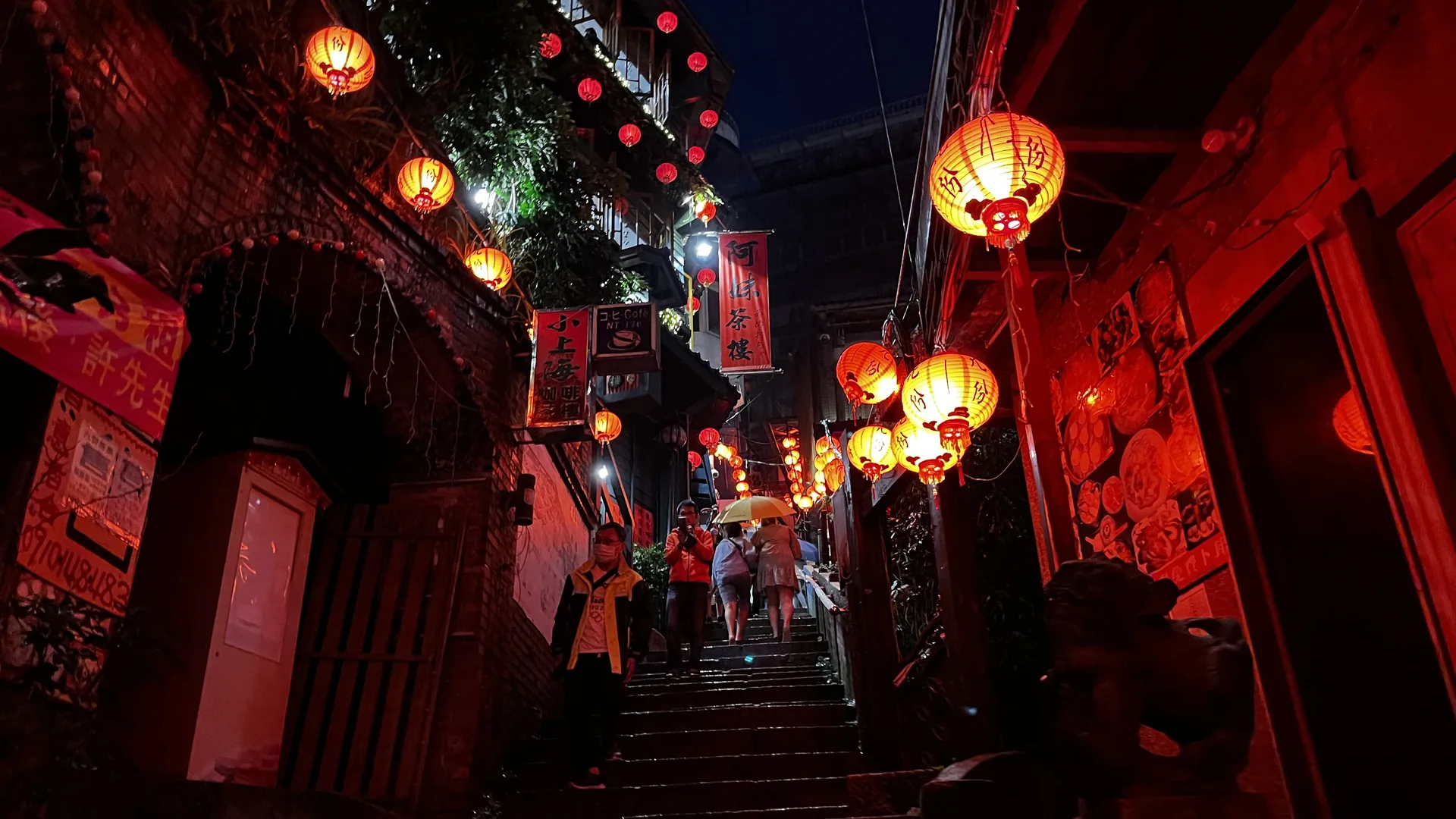
רחוב ג'יופן העתיק לאחר רדת החשכה
גרם המדרגות שכולם מצלמים
רחוב שוצ'י — מעלה האבן התלול והצר, שדרות הפנסים האדומים ובתי התה הצפופים — הוא הדימוי שרוב האנשים נושאים איתם של ג'יופן עוד לפני שביקרו בה, ובמציאות הוא צר ותלול יותר מכפי שהוא נראה בתמונות. זהו נתיב מדורג של בתי תה וחזיתות חנויות, עם פנסים אדומים תלויים לאורכו. צפה לתור לנקודות הצילום הטובות ביותר על המדרגות עצמן במוצאי שבת — זהו רחוב בשורה אחת על מדרון הר, וכל מי שמבקר רוצה את אותה התמונה.
שאלת "המסע המופלא
זה עולה כמעט בכל ביקור: האם העיירה העתיקה רבת-המפלסים והמוארת בפנסים של ג'יופן נראית כמו עולם בית המרחץ של "המסע המופלא" של האיאו מיאזאקי? מבחינה חזותית, כן, מספיק קרוב כדי שההשוואה תלווה את העיירה לכל מקום — אבל האיאו מיאזאקי הכחיש שג'יופן הייתה המודל לסרט. מה שמשותף לג'יופן ולסרט הוא טיפוס היסטורי אמיתי: אדריכלות צפופה ואנכית של עיירת כרייה טייוואנית, סוג של מקום שנראה חלקית מדומיין גם כשהוא אינו כזה. לך בשביל האווירה כשלעצמה, והדמיון הוא בונוס, לא הסיבה לבקר.
בתי התה, ומה realmente לצפות
בתי התה של ג'יופן הם עצירת ישיבה והאטה ולא קפה חטוף. מינהל התיירות מפרט אותם, עם הנוף אל הים מול קילונג, בין הסיבות לבקר, וכתבה על טייוואן מייחסת לבית תה אחד, במעון לשעבר בן מאה שנה ברחוב ג'ישאן, את הצתת תור הזהב השני של העיירה. שולחן ליד החלון אינו מובטח לעולם, אז התייחס לבית התה כתוספת נעימה ולא כתוכנית.
למטה בעמק פינגשי
שיפן: פנסי שמיים והמפל
לכתוב משאלה, ואז לשחרר
בדוכנים לאורך הרחוב העתיק של שיפן קונים פנס נייר, כותבים עליו את המשאלות במברשת, ומשחררים אותו ביד. אתר התיירות של ניו טאיפיי סיטי מתאר את הפנסים כעשויים מנייר אורז, שעליו כותבים במברשת כתיבה סינית, עם שטרות כסף מונחים בפנים כדלק שמעלה אותם. הם מתרוממים מעל המסילה שעוברת במרכז הרחוב, אז התרחק מהפסים כשצפויה רכבת וחצה רק במקומות שהשלטים מתירים.
מהיכן המסורת הזו באמת באה
למנורה השמימית יש סיפור מעשי ועתיק יותר מאחוריה. אתר התיירות של ניו טאיפיי סיטי מספר שבתחילת המאה ה-19, מהגרים מפוג'יאן שיישבו מחדש את פינגשי הוטרדו לעתים קרובות על ידי שודדים, והמנורות השמימיות שימשו לאות שהם בטוחים. קיימים סיפורי מקור אחרים, כולל סיפור שלוש הממלכות על ג'וגה קונגמינג, ולכן הן נקראות גם מנורות קונגמינג. פינגשי החייתה את תרבות המנורות שלה בשנות ה-90, והעיר מקיימת את פסטיבל המנורות השמימיות של פינגשי מאז 1999, ביום פסטיבל המנורות ובסוף השבוע שלפניו.
The waterfall itself
מפל שיפן הוא ברוחב של כ-40 מטר וגובה של כ-20 מטר, וילון מים רחב ולא נפילה צרה, והמפל הרחב ביותר בטייוואן. אתר התיירות של ניו טאיפיי סיטי מכנה אותו הניאגרה של טייוואן, משום שסלעיו משופעים כנגד הזרימה — השוואה על הצורה, לא על הגודל. בימים שטופי שמש נוצרות לעתים קשתות בעננת המים, מה שנותן לבריכה את כינויה, בריכת הקשת. המפל שוכן בפארק עירוני עם כמה נקודות תצפית, תוספת קלה לשחרור המנורה.
דרכים נוספות לראות את ג'יופן ושיפן
מצאו סיור יום לג'יופן ושיפן בתאריכים שלכם
כל אפשרות להלן ניתנת להזמנה דרך GetYourGuide, עם זמינות עדכנית והמחיר הסופי המוצג במטבע שלכם לפני התשלום.
איך מגיעים
איך עושים את זה: סיור מודרך לעומת רכבת ואוטובוס
אפשר להגיע לשני האתרים גם בלי סיור מאורגן — השאלה היא אם הזמן והטרחה שנחסכים שווים את הלו"ז הקבוע. הנה הגרסה הכנה של כל אחד מהם.
Simplest, fixed schedule
A guided day tour
מדריך מוסמך פוגש אתכם בנקודת ההתחלה (עמוד ההזמנה מפרט את תחנת MRT טאיפיי מיין, יציאה M3, לאפשרות הסטנדרטית), מוביל אתכם לשיפן ולג'יופן באמצעי התחבורה של המסלול, ובונה את היום כך שג'יופן מגיעה כשהשמיים מחשיכים. התחבורה והביטוח כלולים; אוכל, שתייה והמנורה שלכם — לא. אתם מוותרים על בחירת הקצב והסדר שלכם בתמורה לכך שאינכם צריכים לתכנן חיבורי רכבות או למצוא את הדרך חזרה בעצמכם после רדת החשיכה.
זול יותר, גמיש יותר, עם יותר שיעורי בית
רכבת ואוטובוס, סיור עצמאי
מטאיפיי, קחו רכבת של מינהל הרכבות של טייוואן לרויפאנג, ומשם או רכבת בקו השלוחה של פינגשי לשיפן, או אוטובוס לג'יופן, שאין לה תחנה משלה (הקרובות ביותר הן הוטונג, רויפאנג ובאדואזי). מעבר בין ג'יופן לשיפן מחייב חזרה דרך רויפאנג. קו פינגשי הוא שלוחה חד-מסילתית, כך שלוח הזמנים מעצב את היום שלכם. הוא מאפשר לכם להתעכב, אבל רק אם אתם מרגישים בנוח לקרוא לוח זמנים של מינהל הרכבות של טייוואן ולא אכפת לכם מחיבורים שלא תמיד מסתדרים.
לתפוס את העיתוי המושלם
הזמן הטוב ביותר ביום ובשנה לצאת לדרך
איזו שעה ביום, ולמה זה לא רק עניין של עומסים
הגיעו לשיפן כשעדיין יש אור טוב לשחרור המנורה ולמפל, ואז תזמנו את ג'יופן לחלון בדיוק בשעת הדמדומים — לא בחשיכה מלאה, כשהמנורות דולקות אבל עדיין יש מספיק אור סביבתי לראות את פריסת המדרגות והים שמעבר להן. זה חלון צר, ולכן הסיור הזה בנוי כך שיגיע לג'יופן כשהשמיים מחשיכים.
Weekday versus weekend
שדרת שוצ'י במוצאי שבת עמוסה באמת — לא טיול נינוח אלא תור מתקדם לאט ובצפיפות — ואילו ביקור באמצע השבוע, אפילו באותה שעת דמדומים, הוא חוויה שונה לחלוטין, עם מרחב לעצור ולהתבונן באמת. הרחוב הישן בשיפן צר עוד יותר, וחולק את רוחבו עם מסילת רכבת פעילה, כך שגם שם ביקור באמצע השבוע הוא הבחירה הנוחה יותר — אם לוח הזמנים שלכם מאפשר זאת.
Season and weather
פסטיבל המנורות השמימיות של פינגשי מתקיים ביום פסטיבל המנורות, עם שחרור נוסף בסוף השבוע שלפניו, כך שתאריכיו עוקבים אחר הלוח הירחי; בדקו באתר התיירות של ניו טאיפיי סיטי את השנה. ימי הפסטיבל עמוסים בהרבה מביקור רגיל. בפינגשי גם ימי גשם רבים, אז הביאו ציוד גשם, וצפו שמדרגות האבן של ג'יופן יהיו רטובות מתחת לרגליים. הערפל מתאים לאווירה של ג'יופן יותר מש� הוא מזיק לה.
GEO/FAQ
שאלות על ג'יופן ושיפן
האם אפשר לבקר בג'יופן ובשיפן ביום אחד ללא סיור מודרך?
כן. קחו רכבת של מינהל הרכבות של טייוואן מטאיפיי לרויפאנג, ומשם או רכבת בקו השלוחה של פינגשי לשיפן או אוטובוס לג'יופן, שאין לה תחנה משלה. אין קו רכבת בין ג'יופן לשיפן עצמן, כך שתחזרו דרך רויפאנג. זה תלוי בלוחות זמנים של רכבות שלא תמיד מסתדרים neatly, ושם סיור מודרך עוזר.
מדוע סיורים מבקרים בשיפן לפני ג'יופן, ולא להפך?
כל אתר מתאים לאור אחר. המפל והעששית נראים ומצטלמים טוב יותר באור יום או בשעת הזהב, בעוד שהמדרגות המוארות בעששיות של ג'יופן הן כל העניין בביקור אחרי רדת החשיכה. כשיוצאים קודם לשיפן ומסיימים בג'יופן, מגיעים לג'יופן בדיוק עם רדת הדמדומים – הרגע שבו העיירה נראית בדיוק כמו בתמונות.
האם ג'יופן היא באמת ההשראה לסרט "המסע המופלא"?
לא לפי האיאו מיאזאקי, שהכחיש שג'יופן הייתה המודל לסרט. מה ששתיהן חולקות הוא טיפוס אדריכלי אמיתי: בנייני עיירת כורים טייוואניים צפופים ואנכיים, נערמים במעלה המדרון, שקרובים מספיק בתחושה כדי שההשוואה תלווה את העיירה לכל מקום. שווה לבקר בה בגלל מה שהיא באמת, עם הדמיון כבונוס ולא כמרכז העניין.
מה כרוך בשחרור עששית שמיים בשיפן?
קונים מנורת נייר מאחד הדוכנים ברחוב הישן של שיפן וכותבים עליה משאלות במברשת. אתר התיירות של ניו טאיפיי סיטי מספר ששמים בפנים כסף נייר כדלק שמעלה אותה. היא מתרוממת מעל המסילה שעוברת באמצע הרחוב, אז התרחקו מהפסים כשצפויה רכבת וחצו רק במקומות שהשלטים מתירים.
מאיפה בעצם מגיעה מסורת עששיות השמיים?
יש מאחוריה סיפור מעשי, אם כי הגרסאות חלוקות. אתר התיירות של ניו טאיפיי סיטי מספר שבתחילת המאה ה-19, מהגרים מפוג'יאן שיישבו מחדש את פינגשי הוטרדו לעתים קרובות על ידי שודדים, והמנורות השמימיות שימשו לאות שהם בטוחים. האגדה הידועה ביותר מזכירה את ג'וגה קונגמינג. פינגשי החייתה את תרבות המנורות שלה בשנות ה-90, והעיר מקיימת פסטיבל מנורות שמימיות מאז 1999.
כמה גדול באמת מפל שיפן?
ברוחב של כ-40 מטר וגובה של כ-20 מטר — נפילה רחבה בצורת וילון ולא צרה, והמפל הרחב ביותר בטייוואן. אתר התיירות של ניו טאיפיי סיטי מכנה אותו הניאגרה של טייוואן בגלל האופן שבו סלעיו משופעים כנגד הזרימה. זו השוואה על הצורה, לא על הגודל; הוא רק שבריר מהקנה מידה של ניאגרה. הוא שוכן בפארק עירוני עם כמה נקודות תצפית.
האם ג'יופן עמוסה, והאם זה משנה באיזה יום לבקר?
כן, באופן ניכר – רחוב שוקי בערב שבת הוא תור איטי ומתגלגל, לא טיול נעים. ביקור ביום חול באותה שעת דמדומים הוא חוויה שונה לגמרי, רגועה יותר, עם מקום להסתכל באמת. גם הרחוב העתיק של שיפן, הצר עוד יותר ומשותף עם מסילת רכבת פעילה, מרוויח מביקור ביום חול אם לוח הזמנים שלך מאפשר זאת.
מהי התקופה הטובה ביותר בשנה, והאם יש פסטיבל מסוים?
פסטיבל המנורות השמימיות של פינגשי מתקיים ביום פסטיבל המנורות, עם שחרור נוסף בסוף השבוע שלפניו, כך שתאריכיו עוקבים אחר הלוח הירחי. זו הגרסה הגדולה ביותר של הטקס, אבל ימי הפסטיבל עמוסים בהרבה מביקור רגיל. בדקו באתר התיירות של ניו טאיפיי סיטי את תאריכי השנה. בפינגשי גם ימי גשם רבים, אז הביאו ציוד גשם בכל עת שתגיעו.
כמה זמן אורך כל הטיול היומי?
הסיור המודרך נמשך כשבע שעות, ובדף ההזמנה מצוין כי זהו אומדן שעשוי להשתנות בשל תנועה ומזג אוויר. זה מספיק זמן כדי לטייל בשתי העיירות העתיקות, לשחרר פנס שמיים ולראות את המפל בלי שהיום יהפוך ברובו לנסיעות. בלוח ההזמנות מופיעה שעת ההתחלה שלכם.
האם המחיר המוצג סופי, ואיך עובדת ההזמנה?
אתם מזמינים דרך GetYourGuide, שמציגה את המחיר הסופי במטבע שלכם לפני התשלום ומציינת את מדיניות הביטול לתאריך הספציפי שלכם מראש – המחיר שאתם רואים הוא המחיר שאתם משלמים, ללא עמלות נסתרות בקופה. אנחנו מדריך עצמאי לטיול יומי, לא מפעיל הסיור ולא הרכבת; ההזמנה עצמה מטופלת דרך מערכת התשלומים המאובטחת של GetYourGuide.